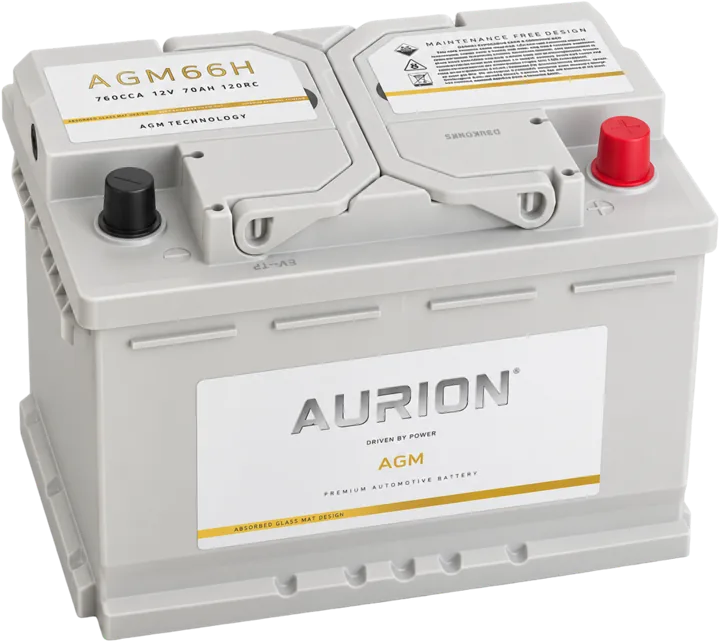
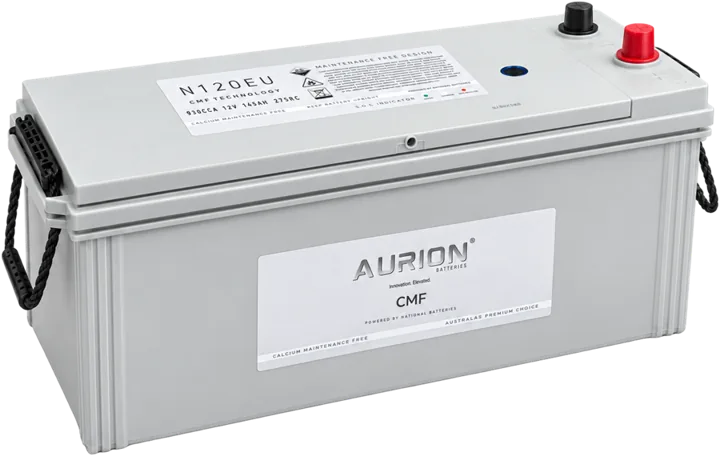
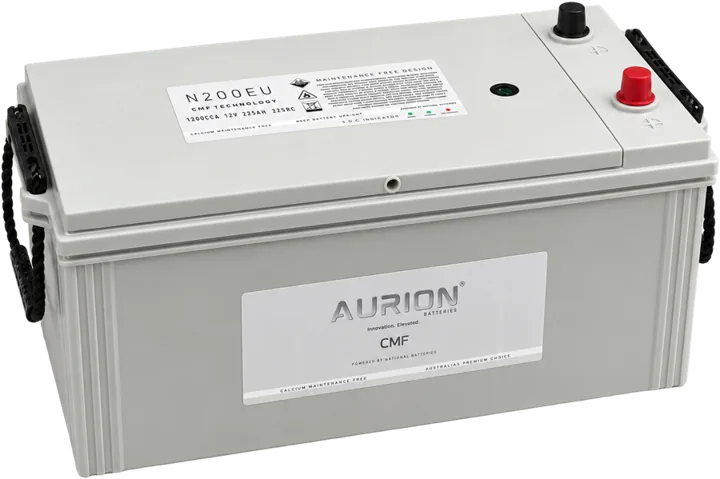
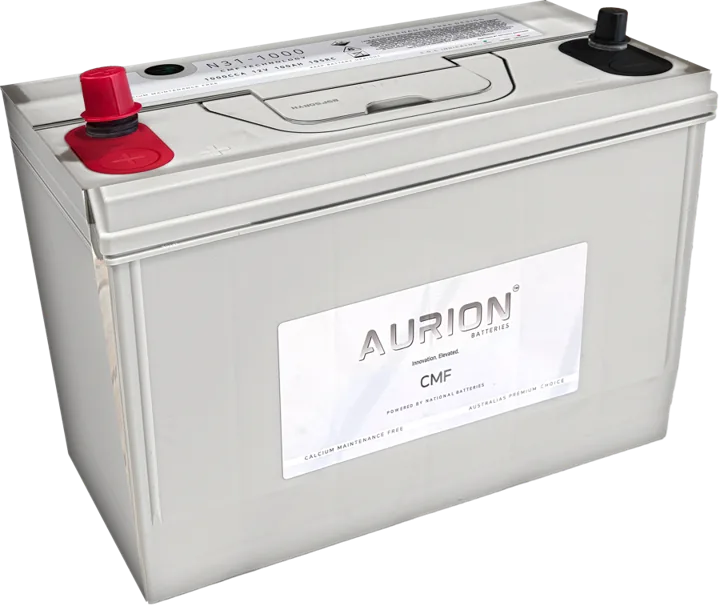
Keep starting separate
Run fridges, lights and chargers from a dedicated auxiliary battery with a proper isolator or DC-DC charger, so camp loads never drain the battery you start on.

Applications
Heat, dust, corrugations and accessory loads push a starting battery hard. Choose strong cranking and reserve capacity, check the fitment and hold-down, and run fridges and lighting from a separate auxiliary battery so your starting battery stays healthy.
Out there
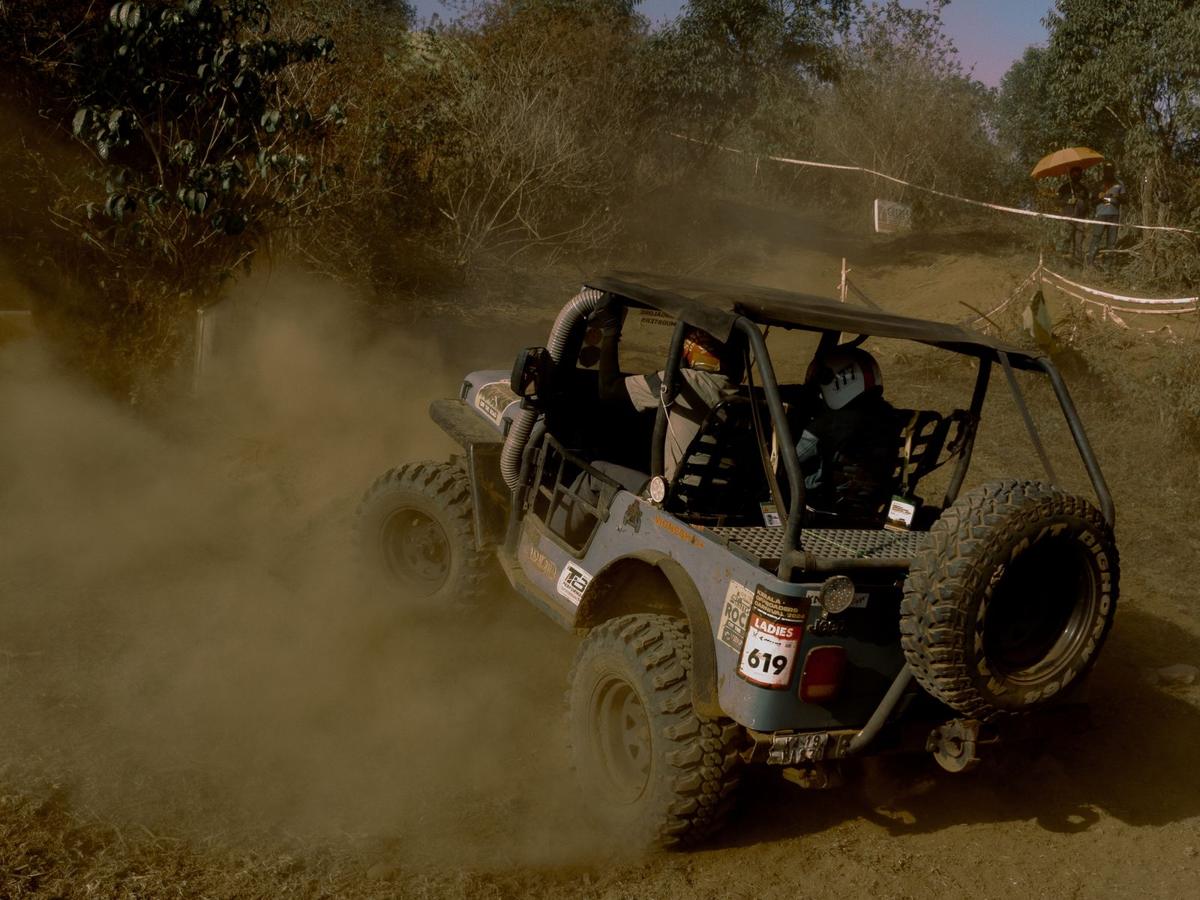
Dust, corrugations, river crossings and nights off-grid. A touring rig asks a lot of its electrics, and the starting battery is what gets you moving again in the morning.
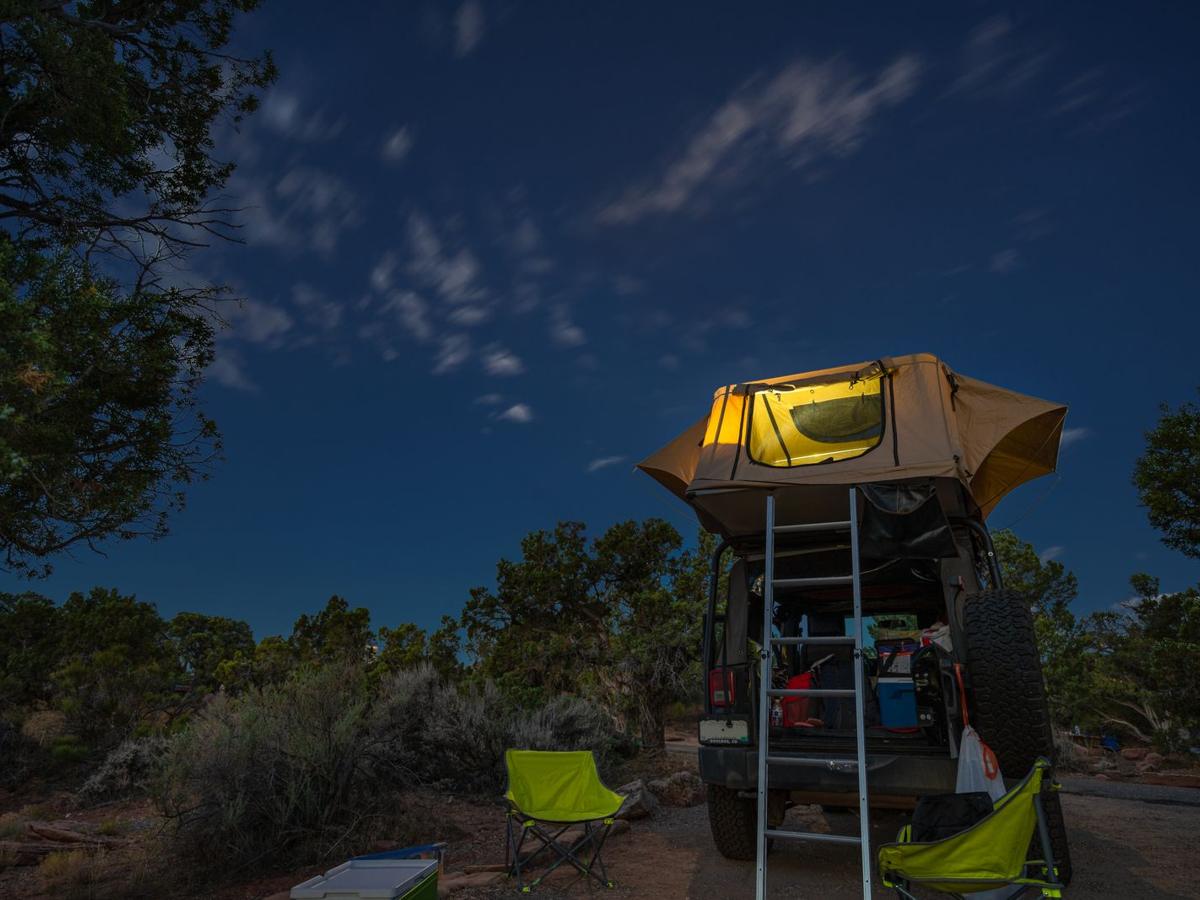
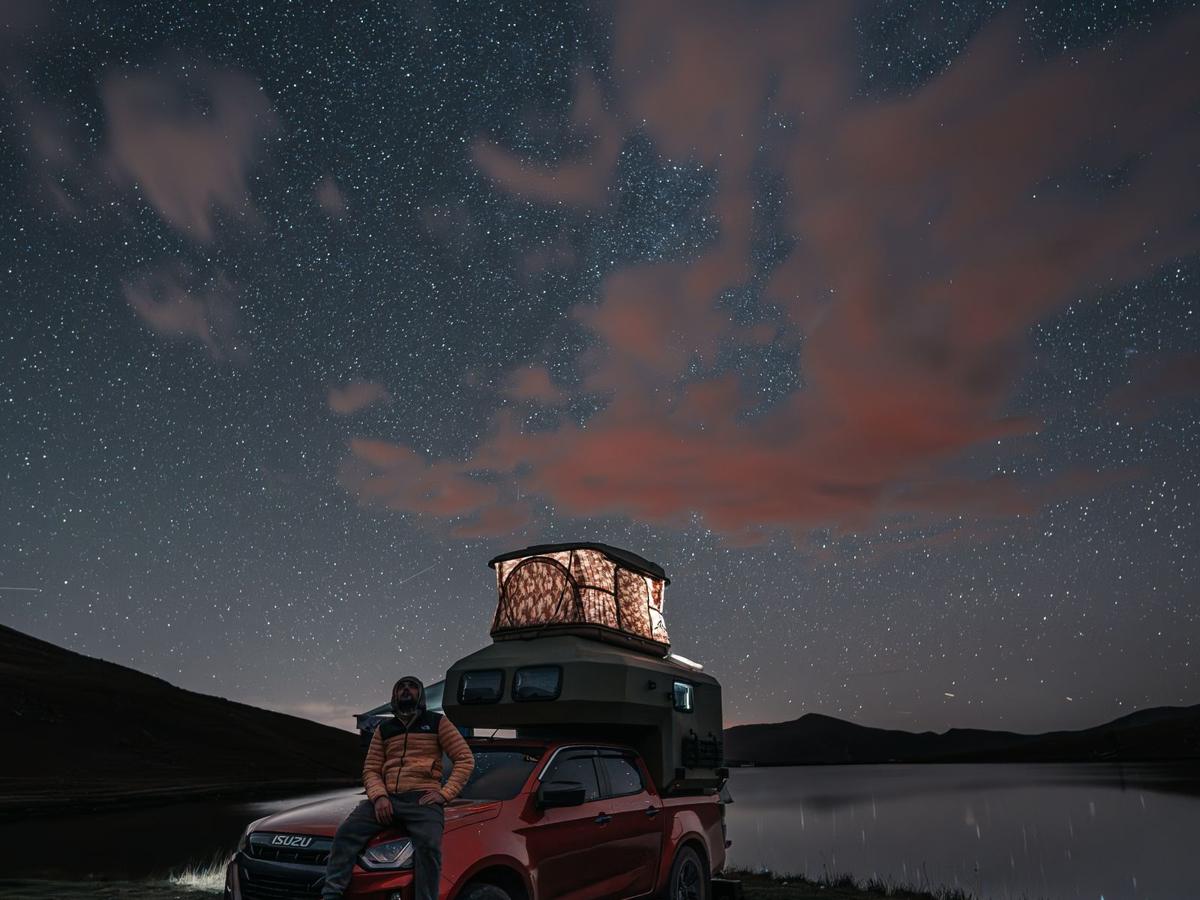
Run fridges, lights and chargers from a dedicated auxiliary battery with a proper isolator or DC-DC charger, so camp loads never drain the battery you start on.
Corrugations shake everything loose. Use the correct hold-down for the case size and check it after rough sections, because a loose battery wears out far sooner.
Before a big trip, have the battery tested, clean the terminals and make sure the cable connections are tight. It takes minutes and saves a long wait for help.
Engine bays get hot on long, slow tracks. Fit a battery suited to the conditions and keep the vents and surrounds clear of dust and debris.